-1.png?width=250&height=94&name=BeaconPoint%20Main%20(4)-1.png)
.png)
.png)

You've got an amazing tour or activity business offering unique experiences that visitors love. Maybe you're not seeing the website traffic or bookings you expected, and if this scenario sounds familiar, the likely issue is your Search Engine Optimization (SEO) strategy. SEO is critical for making your business easy to find online, ensuring you appear prominently when potential customers search for activities like yours.
This short, beginner-friendly guide will explain SEO in clear terms, specifically tailored for tour and activity providers looking to attract more visitors and grow their businesses.
What Exactly is SEO?
SEO stands for Search Engine Optimization, which means improving your website's visibility in search engine results, like Google, Bing, and Yahoo. SEO also plays an important role with emerging platforms like ChatGPT, Perplexity, and other Generative AI Search Engines. Essentially, it's about making your site easy for search engines and potential customers to find.
For instance, if you offer kayaking tours in Asheville, good SEO will ensure your business appears at or near the top when someone types "kayaking tours in Asheville" into a search engine. It's about aligning your website content with what your customers are searching for.
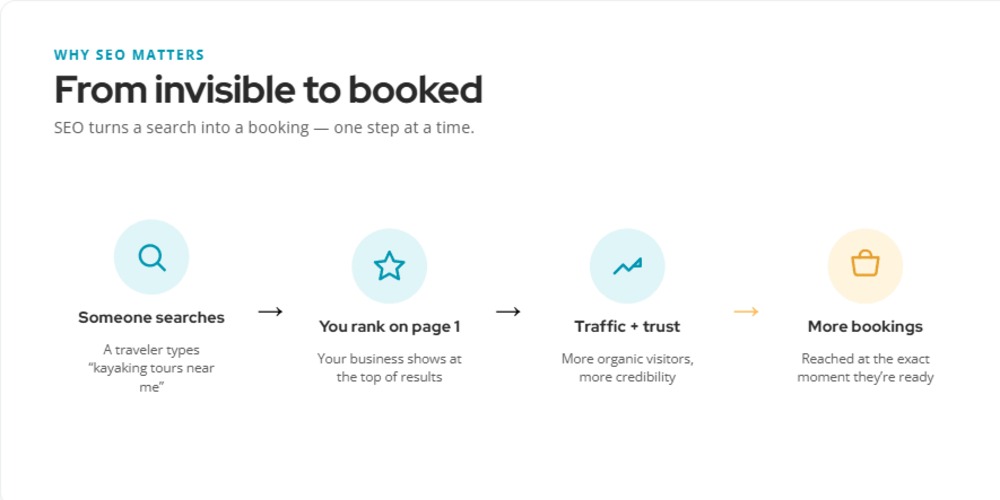
Why SEO Matters for Tour & Activity Providers
Imagine you're planning a trip and searching for exciting activities online. Typically, you'd choose from the top search results. Similarly, your potential customers are likely doing the same. If your business isn't appearing prominently in those searches, you're essentially invisible to potential visitors.
Strong SEO helps your business by:
-
Bringing more organic traffic to your website.
-
Building trust and credibility among customers.
-
Ultimately increasing bookings and revenue by reaching customers at the exact moment they're ready to book.
In a competitive industry like tourism, visibility is everything. SEO ensures you're not only visible but positioned ahead of your competitors.
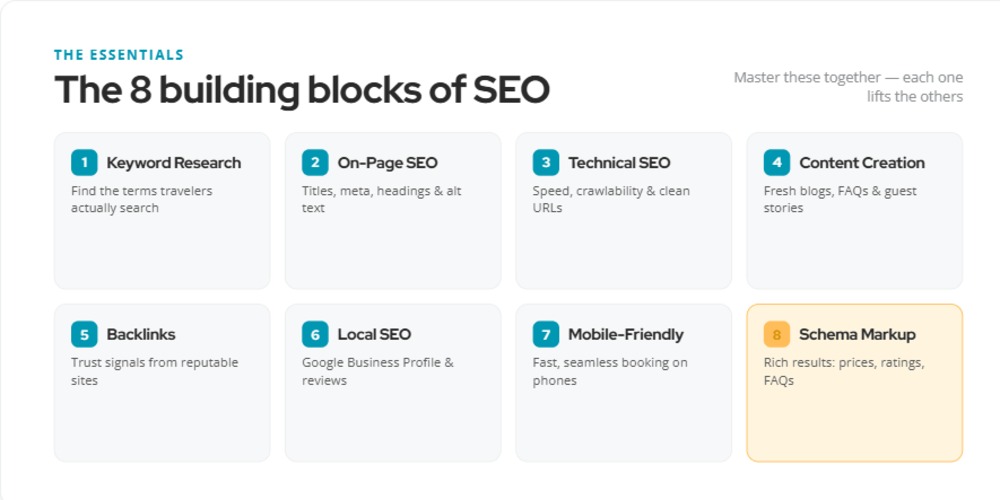
Essential SEO Components for Tour Businesses
While SEO may seem complex initially, breaking it down into core components makes it manageable. By focusing on these key areas, your business can significantly improve its rankings and visibility.
Keyword Research
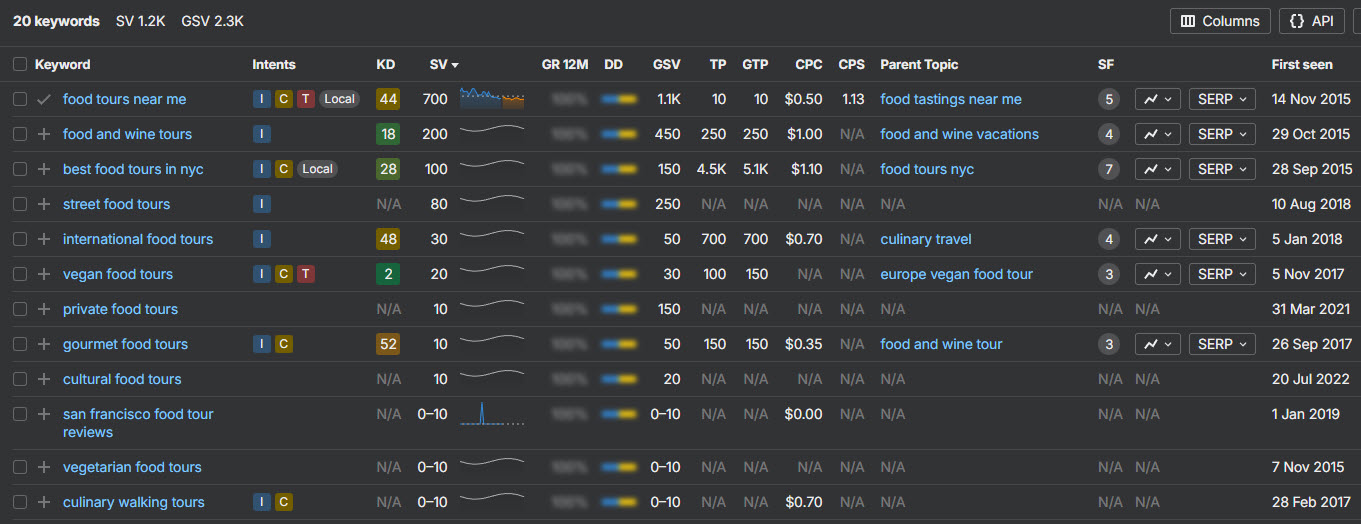
Keywords are terms your potential customers use when searching online. Identifying these phrases through keyword research is essential for effective SEO.
To get started:
-
Think about common terms customers might use related to your tours, like "family-friendly hiking tours" or "romantic sunset cruises."
-
Utilize keyword research tools like Google's Keyword Planner to identify terms with high search volume but low competition, giving you a better chance to rank prominently.
Understanding keywords helps ensure your content directly matches what your potential customers are searching for, drawing more visitors to your site.
On-Page SEO
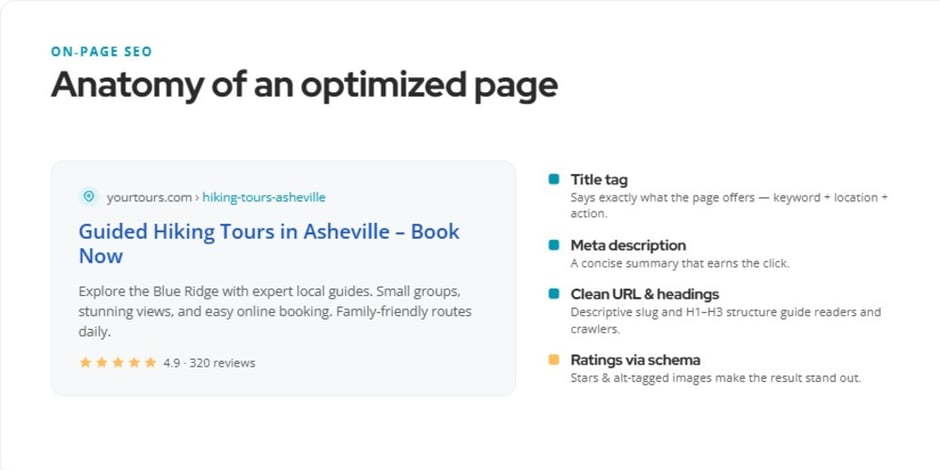
On-page SEO involves optimizing the actual content on your website, making it easy for both search engines and visitors to understand what your business offers.
Important elements to optimize include:
-
Title tags: Clearly explain each page's content, such as "Guided Hiking Tours in Asheville - Book Now."
-
Meta descriptions: Provide concise summaries of your pages, enticing users to click through to your site.
-
Headings (H1, H2, H3): Organize your content neatly, improving readability and helping search engines understand your page structure.
-
Image optimization: Always use clear filenames and descriptive alt text, like "group kayaking tour on the river."
Optimizing these elements significantly improves how well search engines rank your pages, drawing more targeted traffic to your business.
Technical SEO
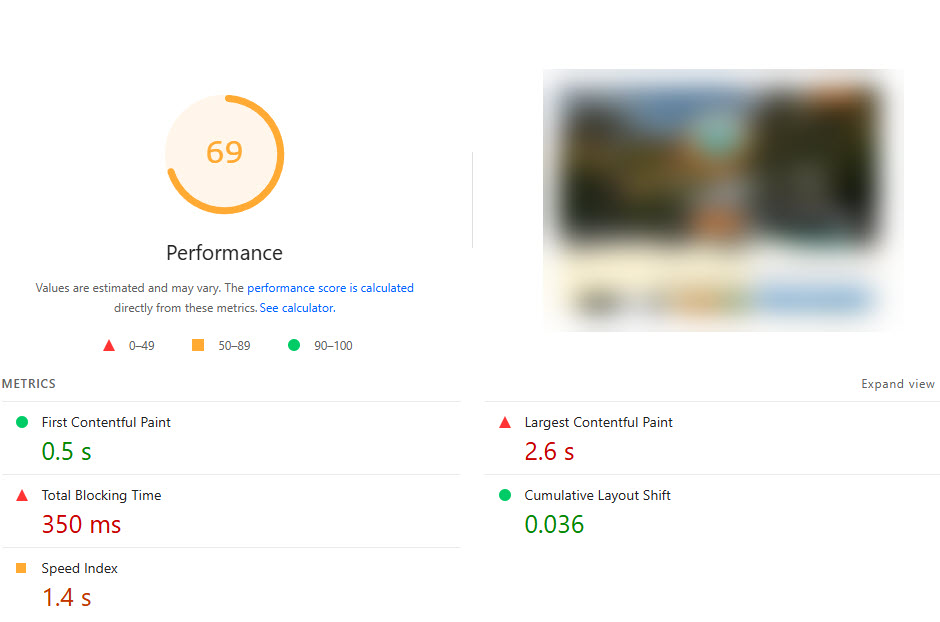
Technical SEO focuses on the behind-the-scenes foundation of your website, ensuring search engines can properly crawl, index, and understand your content.
Key technical elements to improve include:
- Site speed: Fast loading pages keep visitors engaged and help search engines rank your site more favorably.
- Mobile performance: Make sure your site is responsive and functions smoothly on phones and tablets, since many travelers book on the go.
- Clean URL structure: Use simple, descriptive URLs that are easy for both users and search engines to interpret.
- Crawlability and indexing: Ensure your sitemap, robots.txt file, and internal links allow search engines to discover all important pages.
- Security (HTTPS): A secure website builds trust with visitors and is preferred by search engines.
Strengthening your technical SEO helps the rest of your SEO efforts work more effectively, improving visibility, user experience, and your chances of ranking higher over time.

Content Creation
Regularly auditing and creating fresh, relevant content isn't just about ranking higher—it's about providing value to your visitors and establishing your business as an authority.
Effective content strategies include:
-
Writing regular blog posts related to your tours, like "Top 5 Scenic Trails in Asheville."
-
Answering frequently asked questions on dedicated FAQ pages.
-
Sharing authentic customer stories or testimonials, building trust and credibility.
Consistent, valuable content encourages repeat visitors and helps establish your website as a reliable resource for travelers.
Earning Backlinks
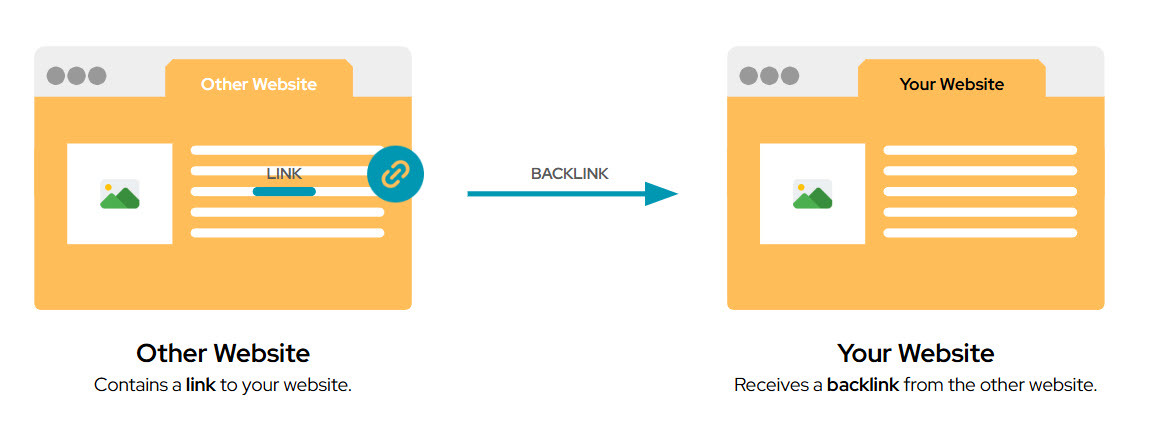
Backlinks are links from other websites pointing to your site, and they act as signals of trust and authority. For tour and activity businesses, earning high-quality backlinks helps improve rankings, accelerate indexing, and bring in referral traffic from sites already reaching travelers.
What Makes a Quality Backlink
-
Comes from a reputable, relevant site such as a local tourism board, travel blog, hotel partner, or community publication
-
Is placed naturally within content (not in spammy directories)
-
Uses anchor text related to the topic of the linked page
Simple Ways to Earn Backlinks
- Create link-worthy resources such as “Things to Do in [City]” guides, seasonal roundups, or local travel tips that other sites naturally reference
- Create business profiles on Google Maps, Apple Maps, Yelp, TripAdvisor, Viator
- Create social accounts on Facebook, Instagram, Youtube, Pinterest, X (Twitter), and Tiktok
- Partner with local businesses (hotels, restaurants, visitor centers) and ask to be included on their recommendation or resource pages
- Pitch local media with story ideas, unique angles, or newsworthy events to earn mentions in articles
- Guest post on relevant travel blogs or tourism sites to share expertise and secure an editorial link
- Update broken links by reaching out to sites with outdated tour references and offering your page as the replacement
What to Avoid
Buying backlinks or using automated link schemes can harm SEO and weaken site credibility. Focus on earning links through quality, relevance, and genuine partnerships.
Local SEO
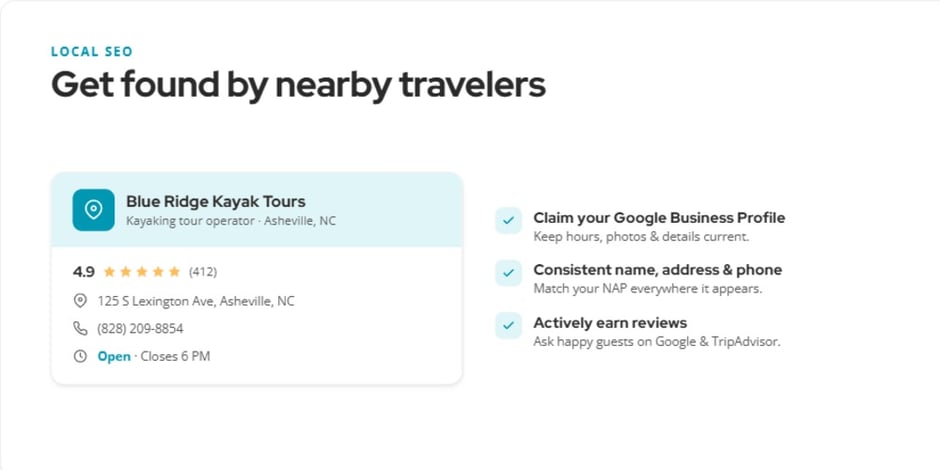
Since most tour and activity providers primarily serve local or visiting customers, local SEO is vital for ensuring you're easily found by people in your immediate area or travelers planning their visits.
Best practices for local SEO:
-
Set up and regularly update your Google Business Profile with accurate business information.
-
Ensure consistency of your business name, address, and phone number across your website and directories.
-
Actively solicit reviews from satisfied customers on Google, TripAdvisor, and other relevant platforms.
Strong local SEO positions your business prominently in local search results, capturing both locals and tourists looking for experiences nearby.

Mobile-Friendly Website
Many travelers book activities using their smartphones while on the go. A site that's not mobile-friendly can deter potential customers, causing you to lose valuable bookings.
Make sure your website:
-
Loads quickly and displays properly on all mobile devices.
-
Offers an easy and seamless booking process optimized for mobile users.
- Uses simple navigation with a "fewest-clicks-to-purchase" path
By providing a smooth mobile experience, you'll capture more bookings from travelers actively searching for experiences on their phones.
Structured Data and Schema Markup
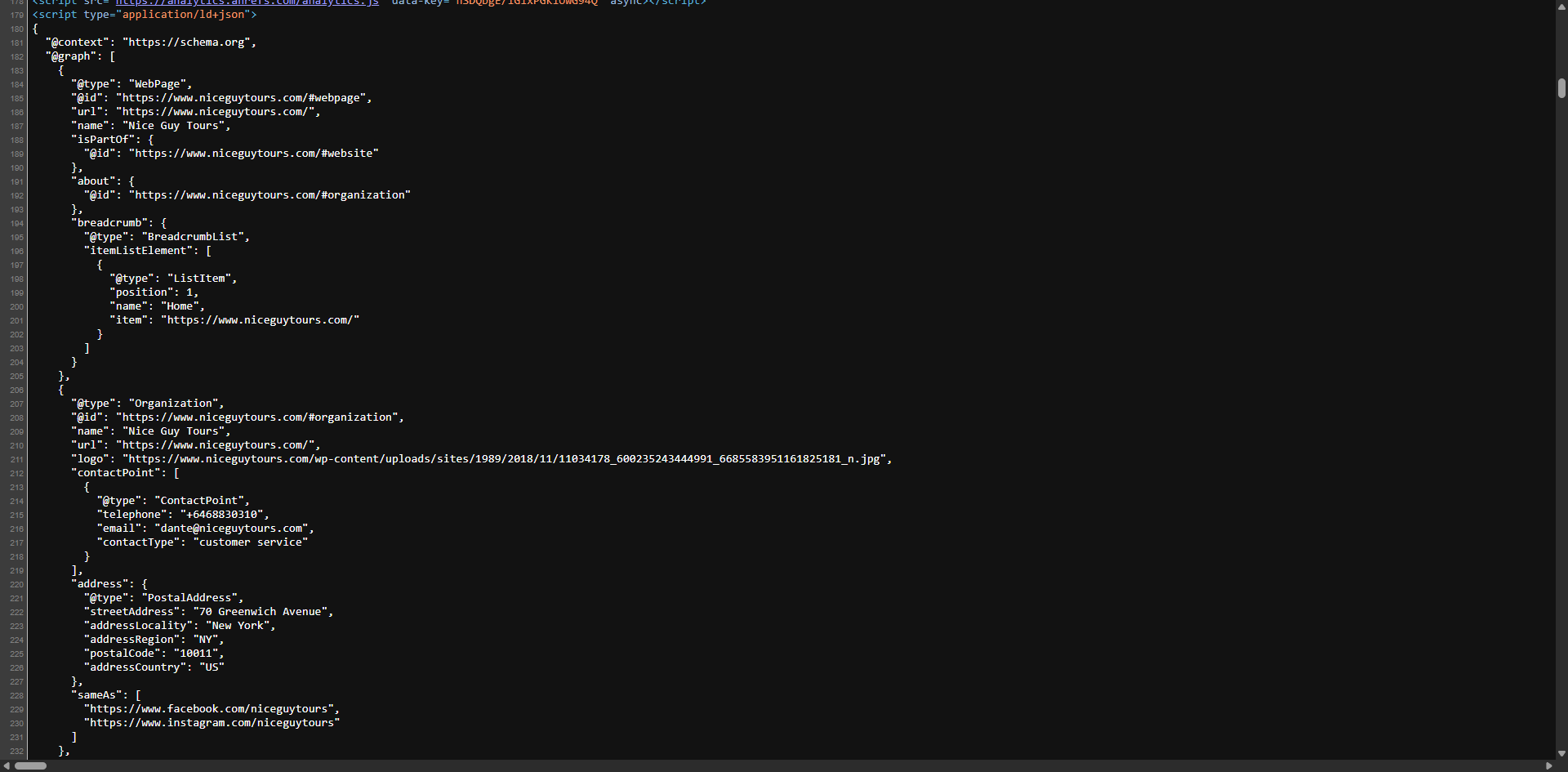
Structured data and schema markup add extra context to your website, helping search engines clearly understand your tours, activities, and key business details.
Important structured data opportunities include:
- Tour/Activity schema: Highlight essential information about your offerings, such as pricing, duration, and location.
- Reviews and ratings: Display star ratings and customer feedback directly in search results through Review or AggregateRating schema.
- FAQ schema: Provide quick answers in search results, increasing visibility and click through rates.
- Business details: Use LocalBusiness schema to clarify your business name, address, operating hours, and contact information.
Adding structured data makes your search results more informative and visually appealing, which can help you stand out among competitors and attract more searchers to your website.
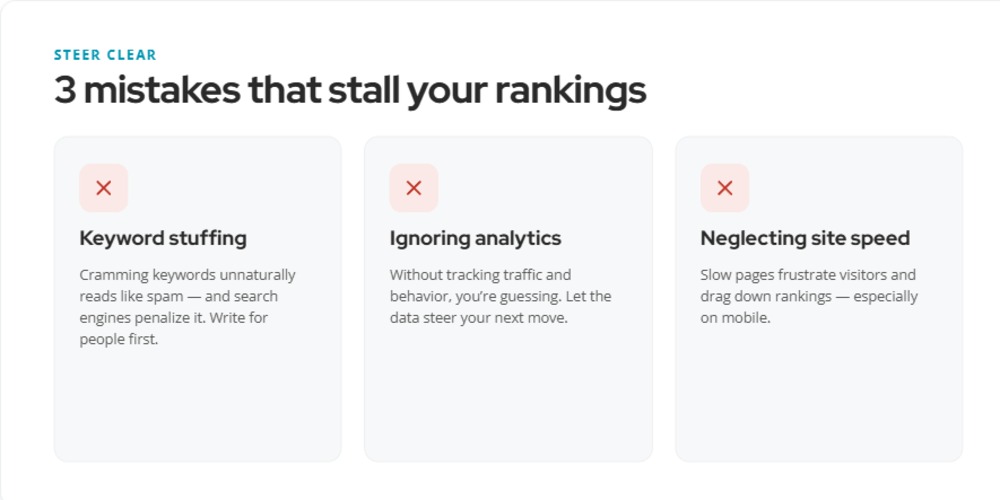
Common SEO Mistakes to Avoid
While implementing effective SEO strategies, it's equally important to steer clear of common mistakes that can harm your rankings.
Avoid these pitfalls:
-
Keyword stuffing: Don't overuse keywords unnaturally; instead, integrate them naturally throughout your content.
-
Ignoring analytics: Use tools like Google Analytics to monitor your site's performance, understand visitor behavior, and adjust your strategies accordingly.
-
Neglecting website speed: Slow-loading pages frustrate users and negatively affect your search rankings.
Being aware of these common mistakes ensures your efforts to improve SEO are productive and beneficial to your business.
Leveraging SEO to Boost Your Tour Business
SEO isn't an overnight fix—it's a long-term strategy that gradually improves your business visibility and drives sustainable growth. With consistent effort, you'll begin seeing increased website traffic, higher rankings, and ultimately, more bookings.
Always keep your content fresh, relevant, and engaging, and regularly revisit your SEO strategies to refine your approach based on performance data. By doing this, you're investing in the sustainable growth of your tour and activity business.
Start applying these SEO strategies today, and watch your online presence—and bookings—grow!