

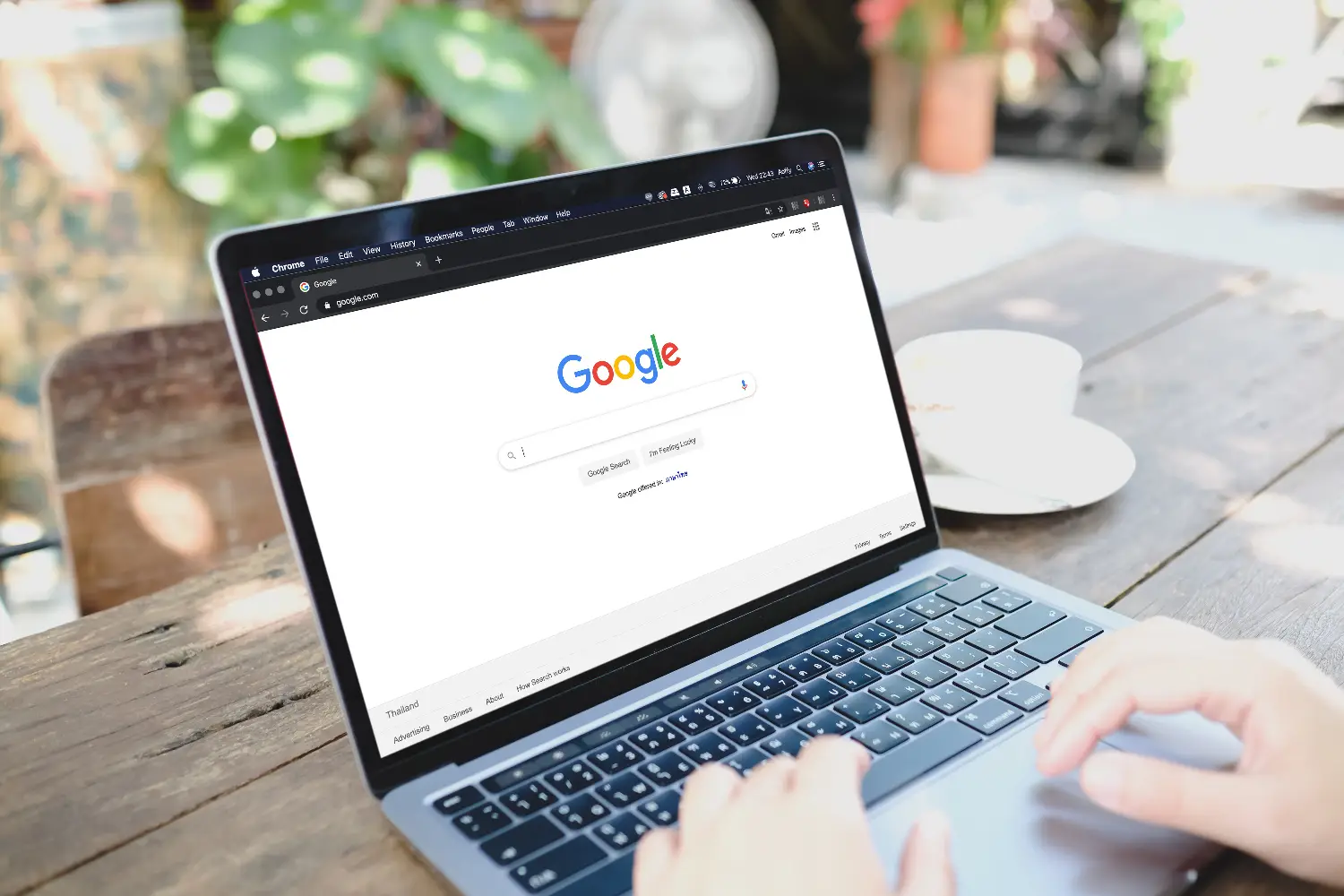
Paid ads are the fastest way for a tour or activity business to show up in front of travelers who are ready to book. They are also the fastest way to spend money with nothing to show for it. The difference usually comes down to three decisions: which platform you start on, whether your tracking counts real bookings, and which numbers you judge the results by.
This guide from BeaconPoint, a marketing agency for tour and activity operators, walks through each one. It covers how to choose between Google, Meta, YouTube, TikTok and Microsoft, how to set up tracking before you spend, which benchmarks are worth comparing against, and the mistakes that drain budgets most often.
Key Takeaways
- Google Search ads capture demand from people already searching for your type of tour. Meta (Facebook and Instagram) creates demand among people who have yet to discover you.
- Most operators get the best return by starting with Google Search, adding Meta retargeting once the site has steady traffic, and expanding from there.
- Set up conversion tracking on completed bookings before you spend. Without it, every bidding decision rests on guesswork.
- In WordStream’s 2026 benchmarks, travel search ads had a median click-through rate of 9.32% and a median cost per click of $2.14, well below the all-industry median of $5.42.
- Judge campaigns by cost per booking and return on ad spend against your own margins, and treat industry averages as context only.
Demand Capture vs. Demand Creation
Every paid ads decision for a tour operator starts with one distinction: are you capturing demand that already exists, or creating new demand?
Google Search ads sit at the moment of intent. When someone types “sunset sailing tour Key West” into Google, they have already decided what they want. Your ad shows up at the exact moment they are choosing who to book with. The limit is that search can only capture demand that exists. It reaches nobody who has yet to think of searching.
Meta ads work the other way. Facebook and Instagram show your tour to people who are scrolling, chosen because their interests, behavior and demographics match your likely guests. That reach is how new demand gets created, and it is also how you bring back people who visited your site and left. The trade-off is that a scrolling viewer usually needs more nudges before they book than a searcher does.
Both have a place. Knowing which one you need right now is the starting point for every platform decision below.
How to Choose a Platform: A Decision Framework
Two questions settle most platform decisions.
- Do people search for what you offer? Check your tour type plus destination in Google Keyword Planner or a tool like Ahrefs. If there is real search volume, Google Search comes first. If your experience is niche or your destination gets little search traffic, awareness channels like Meta matter more, because you need to create demand before you can capture it. Our guide to keyword research covers how to check.
- How strong is your photo and video library? Meta, YouTube and TikTok all run on visuals. If you have strong footage from real trips, those platforms open up. If your library is thin, Google Search text ads can still convert while you build it.
From there, most operators add platforms in a predictable order as their program and budget grow:
| Stage | Where to put the budget | What to have in place first |
|---|---|---|
| Starting out | Google Search only | Booking conversion tracking and a landing page that converts |
| Steady site traffic | Google Search plus Meta retargeting | Meta Pixel and Conversions API sending booking events |
| Growing | Google Search, Meta prospecting and retargeting, a YouTube test | A regular supply of short video from real trips |
| Full program | Google Search and Performance Max, full-funnel Meta, YouTube, then TikTok and Microsoft tests | Reporting that compares channels on cost per booking |
For help setting the overall number, see our tour operator marketing budget guide.
Google Ads: Reach People Ready to Book
For most operators, Google Search is the highest-priority paid channel because it reaches people who are already looking for what you sell.
Search campaigns and keywords
Search campaigns show text ads for the keywords you choose. Specific beats broad. “Guided kayak tour Portland Oregon” tells you far more about the searcher than “kayak tours”, and it usually costs less because fewer large advertisers bid on it.
- Use relevant, specific keywords. Build around tour type plus destination, plus modifiers your guests use, such as “family”, “private” or “sunset”.
- Add negative keywords. Terms like “free”, “jobs”, “certification” and “instructor course” stop your ads from showing on searches that will never book. Google’s help center explains how negative keywords work.
- Use location targeting. Decide whether you want travelers already in your city, people planning a trip from home, or both, and set targeting to match.
- Write clear ad copy. Lead with what sets your experience apart, such as small groups, a specific route or an expert guide, and finish with a direct call to action.
Performance Max
Performance Max is a Google campaign type that reaches all Google Ads inventory, including YouTube, Display, Search, Discover, Gmail and Maps, from a single campaign (Google Ads Help). It suits operators with good imagery and conversion tracking that already reports real bookings. Without accurate tracking, it optimizes toward the wrong signal, so add it after Search is working.
Google also offers placements for tours and attractions in its travel features. Our guide to direct bookings with Google Things to Do covers how those work.
Google Ads benchmarks for travel
WordStream and LocaliQ’s 2026 benchmark report studied 13,474 US search campaigns on Google Ads and Microsoft Ads that ran from April 2025 to March 2026. The figures are medians. Tour and activity businesses can fall under Travel, Sports and Recreation, or Arts and Entertainment, so all three are shown.
| Metric (2026 edition) | Travel | Sports and Recreation | Arts and Entertainment | All industries |
|---|---|---|---|---|
| Click-through rate | 9.32% | 8.75% | 12.75% | 6.64% |
| Cost per click | $2.14 | $2.77 | $1.63 | $5.42 |
| Conversion rate | 5.83% | 7.69% | 5.91% | 8.18% |
| Cost per lead | $44.70 | $44.26 | $26.84 | $66.69 |
Source: WordStream, Google Ads Benchmarks 2026. WordStream counts any tracked lead or action as a conversion, so its conversion rate and cost per lead are a loose guide for booking campaigns. Your own cost per booking is the number that matters.
What a rebuild focused on bookings can do
When BeaconPoint rebuilt the Google Ads account for Le Petit Navire, a Montreal boat cruise operator, the main change was optimizing for completed purchases instead of clicks. Bookings from Google Ads rose 142%, cost per booking fell 12%, and the conversion rate climbed from 5.2% to 8.3%. The Le Petit Navire case study walks through the campaign structure.
Meta Ads: Facebook and Instagram
Meta is the main demand-creation and retargeting channel for tour operators. Across Facebook, Instagram, Messenger and WhatsApp, Meta reported 3.60 billion daily active people on average for June 2026 (Meta Q2 2026 earnings release). For experiences that look good on camera, a feed built around photos and short video is a natural fit.
When Meta makes sense
- Retargeting website visitors who looked at a tour and left without booking. Our guide to retargeting ads for tour operators covers the setup.
- Reaching people similar to your past guests with lookalike audiences built from your customer list. See our guide to audience segmentation.
- Seasonal awareness pushes ahead of your peak period.
- Selling a niche or new experience that few people know to search for yet.
Audiences in three layers
- Retargeting. Website visitors, video viewers and people who engaged with your Instagram or Facebook profile. These warm audiences have already shown interest.
- Lookalikes. People who resemble a seed list, such as past bookers.
- Interest and demographic targeting. Cold audiences grouped by interests like adventure travel or a destination. This is the broadest layer and needs the strongest creative and the longest evaluation window.
Creative that works for tours
Short video from real trips, showing the experience in action, is the format to build around. Add clean still photos with little text overlay and carousels that show several moments from one tour or several tours side by side. Instagram Stories and Reels placements are full-screen and vertical, so shoot with that frame in mind. More ideas are in our post on social media advertising for tourism businesses.
Give new campaigns time to learn
Meta’s delivery system needs data before results settle. Meta flags an ad set as “learning limited” when it is unlikely to get about 50 optimization events in the week after its last significant edit (Meta Business Help Center). Pausing or heavily editing a new campaign after a few days resets that process. If your budget will produce only a handful of bookings a week, optimize for an earlier step, such as a checkout start, or consolidate ad sets.
YouTube and Video Ads
YouTube sits between Google and Meta. You manage it through Google Ads, but video ads do the awareness job that Meta does. For operators with strong video content, ads that run before travel and destination videos build familiarity that later shows up as branded searches. Test YouTube as a third channel once Google Search and Meta retargeting are running well.
TikTok Ads
TikTok can deliver reach for operators whose guests skew younger and who can supply a steady stream of short vertical video. The format is the hurdle. Ads that perform on TikTok look native to the platform: phone-shot guest reactions, quick behind-the-scenes clips, a guide answering a question to camera. Repurposed Facebook ads tend to stand out for the wrong reasons. Treat TikTok as a test after Google and Meta are performing and your video pipeline is consistent.
Microsoft Advertising
Microsoft Advertising places search ads on Bing and its partner network. Its main appeal for tour operators is low setup cost: Microsoft lets you import campaigns directly from Google Ads, so a working Google Search program can be extended in an afternoon. Run it as an add-on to Google Search and compare cost per booking between the two before shifting budget.
Pinterest Ads
People use Pinterest to plan and save ideas for future trips. If your tour is highly visual or bucket-list worthy, promoted pins with destination and activity keywords in the description can put you on a traveler’s shortlist early. Link pins to the matching tour page or a useful trip-planning post. Pinterest works best as an awareness add-on, well after Search and Meta.
Set Up Conversion Tracking Before You Spend
Paid ads are only as good as the conversion data behind them. Without accurate tracking, automated bidding chases the wrong signal and every report overstates or understates what your ads did. The minimum setup:
- Google Ads conversion tracking on completed bookings. Count the confirmed booking, with its value, instead of button clicks or page views.
- Meta Pixel plus the Conversions API. The Conversions API sends events from your server to Meta, which keeps attribution more reliable as browsers limit tracking (About Conversions API, Meta).
- Google Analytics 4 connected to both platforms for a cross-channel view. Our guide to accurate GA4 data for tour operators covers the common gaps.
- A booking event check. Whatever booking system you use, confirm the completed-booking event fires once per booking, with the right value, in both Google Ads and Meta. A confirmation page that reloads or a pageview counted as a purchase can inflate reported results.
Check attribution settings too. Google Ads uses data-driven attribution as the default for most conversion actions, which spreads credit across the ads a guest interacted with before booking (Google Ads Help). Meta reports on its own attribution settings, so the two platforms will both claim some of the same bookings. Compare them against your booking system’s totals, and judge Meta prospecting on a longer window than Google Search.
Paid Ad Metrics That Matter
Every platform above reports performance data. The right metrics answer three questions: are your ads reaching the right people, are you getting value for your spend, and where can you improve?
- Reach and impressions. How many people see your ads and how often.
- Click-through rate (CTR). Clicks divided by impressions. A strong CTR signals that the ad matches what the viewer wants.
- Cost per click (CPC). What you pay per click. Cheap clicks that never book are still expensive.
- Impression share. On Google, the share of eligible searches where your ad appeared. A low figure points to budget limits or strong competition.
- Conversion rate. Bookings divided by clicks. Low rates usually point to the landing page or booking flow. Our guide to tour operator website conversion rates covers fixes.
- Cost per booking (CPA). Total ad spend divided by bookings attributed.
- Return on ad spend (ROAS). Booking revenue divided by ad spend.
Set targets from your own margins
Industry averages tell you whether your clicks cost about what others pay. They say nothing about whether your ads are profitable. Two quick calculations do:
| Target | Formula | Example: $150 average booking, 40% margin before ad spend |
|---|---|---|
| Break-even cost per booking | Average booking value × margin | $150 × 0.40 = $60 |
| Break-even ROAS | 1 ÷ margin | 1 ÷ 0.40 = 2.5 |
Anything below the break-even cost per booking, or above the break-even ROAS, adds profit. Set your working target with some room for guests who would have booked anyway. Search campaigns close to the booking should beat it outright. Meta prospecting can run nearer break-even when it feeds later searches and repeat guests.
Time Campaigns Around the Booking Window
Guests book in two waves. Arival’s December 2025 research found that 60% of travelers booked at least three days ahead, while about one in five tour bookers bought on the day (Arival). In practice, that means two jobs:
- Reach planners before they arrive. Turn on Search and Meta campaigns targeting your main origin markets ahead of your peak season, with budget rising before demand peaks.
- Catch travelers already in town. Run location-targeted Search campaigns for people in or near your destination, with mobile-friendly ads and same-day availability front and center.
Plan budgets by season too. Flat monthly budgets spend too much in quiet months and too little before peak.
Competing With OTAs on Paid Search
Online travel agencies bid on many of the same searches you do. According to Arival, OTAs reached 37% of operator bookings in 2025 while direct website bookings fell (Arival). Matching their budgets on broad terms like “things to do in [city]” is rarely realistic for a single operator.
The practical response is focus: bid on specific tour-plus-destination terms and on your own brand name, so a guest who searches for you by name lands on your site instead of a listing that charges you commission. Our posts on whether tour operators should be on OTAs and distribution and sales channels cover the wider trade-offs.
Landing Pages: Where the Booking Happens
Getting the click is half the job. The page your ad links to has to finish it. Make sure each landing page:
- Matches the ad. Someone who clicked a sunset cruise ad should land on the sunset cruise page, never the home page.
- Loads fast and works well on a phone.
- Shows price, duration, meeting point and live availability without scrolling far.
- Has a clear, short booking flow with as few steps as your booking system allows.
- Offers reviews and answers to common questions near the booking button.
Common Paid Ad Mistakes Tour Operators Make
- Running campaigns without booking tracking. Optimization becomes guesswork and reported results become unreliable.
- Sending paid traffic to a weak website. A slow or confusing booking page wastes good campaigns. Fix the page before scaling spend.
- Setting daily budgets too low to learn. A budget that buys a few clicks a day gives the platforms too little data to optimize.
- Skipping negative keywords. Broad match without negatives serves ads on irrelevant searches.
- Judging Meta prospecting too early. Pausing a new campaign after a few days resets learning and leaves you with no reliable read.
- Weak calls to action. An attractive ad with no clear next step leaves the viewer to guess. Tell them exactly what to do, such as “Book your sunset cruise”.
- Ignoring seasonality. Budgets should follow your booking curve, rising ahead of peak and easing off after.
- Ignoring the data. Every platform reports performance. Review it on a schedule, test one change at a time, and adjust bids, targeting and copy based on what bookings show.
Running Several Channels Together
Once two or more platforms are live, the question shifts from “which platform” to “how do they work together”. Our multi-channel paid ads strategy covers how Search, Things to Do, Meta, video and OTA ads fit across the full traveler journey, and how to split a budget between them.
Frequently Asked Questions
Which paid ad platform is best for tour operators?
It depends on your budget, tour type and destination. For most operators starting out, Google Search comes first because it reaches people already searching for tours like yours. Meta is the best second channel, for retargeting and for reaching new audiences. Most growing operators run both.
Is Google Ads or Meta Ads better for tour operators?
They do different jobs. Google captures demand from people who are already searching and usually converts at a higher rate. Meta creates demand among people who have yet to search and brings back site visitors who left. With a limited budget, start with Google Search.
What is a good click-through rate for travel Google Ads?
In WordStream’s 2026 benchmarks, the median click-through rate for travel search campaigns was 9.32%, against 6.64% across all industries. Sports and recreation came in at 8.75% and arts and entertainment at 12.75%. Compare against the category closest to your experience, and track your own trend over time.
How much does a click cost for tour operators on Google?
WordStream’s 2026 median cost per click was $2.14 for travel, $2.77 for sports and recreation, and $1.63 for arts and entertainment. Competitive destinations and peak-season keywords can cost much more, so set targets from your own break-even cost per booking.
What is a good ROAS for tour operator ads?
A good ROAS is any figure above your break-even point, which is 1 divided by your margin before ad spend. At a 40% margin, break-even is 2.5. Set your target above that, with extra room for search campaigns and less for prospecting.
Want a Second Opinion on Your Ads?
BeaconPoint helps tour and activity operators set up tracking that counts real bookings and build Google and Meta campaigns that pay for themselves. Get my instant revenue analysis.
Sources
- WordStream: Google Ads Benchmarks 2026 (May 2026)
- Meta: Meta Reports Second Quarter 2026 Results (July 29, 2026)
- Arival: Why Travelers Book Experiences in Advance (or Not) (December 1, 2025)
- Arival: Direct Bookings Dive, OTAs Rise (January 2026)
- Google Ads Help: About Performance Max campaigns
- Google Ads Help: About data-driven attribution
- Google Ads Help: About negative keywords
- Meta Business Help Center: About Learning Limited
- Meta Business Help Center: About Conversions API
- Microsoft Advertising: Import tools